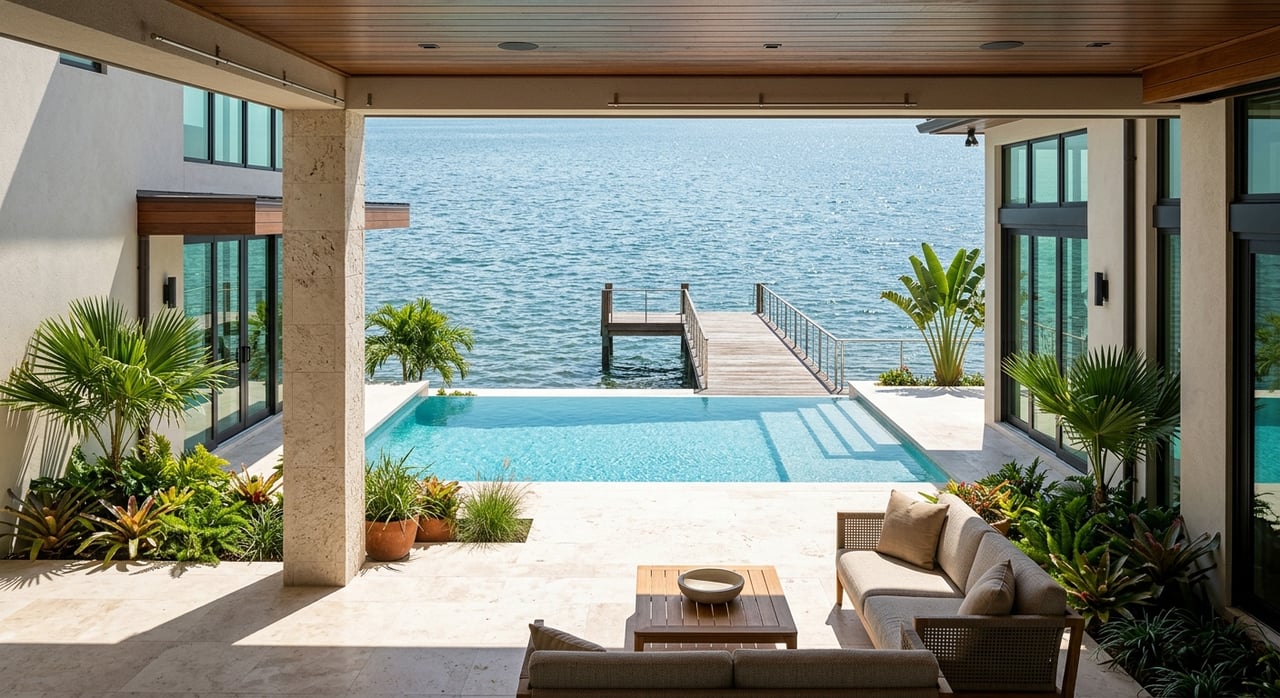
Buying a waterfront home in Palm Beach County can feel exciting and complicated at the same time. You may be picturing sunrise views, a private dock, or easy days on the water, but the details behind waterfront ownership matter just as much as the view. If you understand the different types of waterfront property, local permitting, flood review, and maintenance needs, you can make a smarter decision with fewer surprises. Let’s dive in.
Know Your Waterfront Type
Not all waterfront homes in Palm Beach County offer the same lifestyle or the same ownership responsibilities. A home on the ocean, Intracoastal, canal, or lake can look similar in a listing, but each type comes with different rules, costs, and practical tradeoffs.
Oceanfront and beach-adjacent properties may be subject to coastal construction rules and coastal property disclosure requirements if they are partially or totally seaward of the Coastal Construction Control Line, also called the CCCL. Intracoastal, canal-front, and lakefront homes may offer boating access or water views, but they often connect to managed waterways rather than direct open-ocean access.
That distinction matters when you compare properties. A canal-front home might fit your boating plans better than a lakefront property, while an oceanfront home may offer a very different maintenance and regulatory picture than an Intracoastal property.
Oceanfront Homes
Oceanfront homes usually attract buyers who want direct coastal living and strong water views. In Palm Beach County, these properties can come with added coastal oversight, including disclosure requirements for properties located partially or totally seaward of the CCCL.
They may also involve added upkeep tied to dunes, lighting, and coastal vegetation. If you are considering beachfront property, it is important to confirm exactly where the parcel sits in relation to the CCCL before moving forward.
Intracoastal and Canal-Front Homes
Intracoastal and canal-front homes often appeal to buyers who want boating access and calmer water conditions. Still, you should not assume every waterfront lot can support the same dock setup, boat lift, or vessel size.
In this market, boating value depends on more than the word “waterfront” in a listing. The lot’s layout, existing improvements, local permit rules, and surrounding waterway conditions can all affect how you use the property.
Lakefront Homes
Lakefront homes can offer attractive views and a peaceful setting, but they may not provide the same boating use as ocean-access or Intracoastal properties. In Palm Beach County, some waterfront parcels are tied to a broader flood-control system of canals, drainage districts, waterways, and pump stations.
That means you should evaluate lakefront property based on your intended use. If your priority is scenery, it may be a great fit. If your priority is keeping a specific boat at home, you will need to verify what is actually possible.
Put Flood Review First
Flood review should be a core part of your due diligence, not an afterthought. Palm Beach County participates in the National Flood Insurance Program, and the county states that its codes and ordinances meet or exceed NFIP standards.
The county also recommends confirming flood information through an official flood-zone determination by a licensed engineer, architect, or surveyor before purchase or construction. That step can help you understand the property’s flood zone, elevation details, and possible insurance implications before you commit.
Why Flood Zones Matter
High-risk flood areas include A and V zones, with coastal high-risk areas labeled V and VE. If a property is in a high-risk zone and the loan is government-backed, flood insurance is required.
It is also important to remember that standard homeowners insurance usually does not cover flood damage. Even properties in lower-risk zones can still experience flood losses, so reviewing the flood profile of any waterfront home is a practical step regardless of what the map first suggests.
Ask for Elevation Details Early
Elevation information can affect both your comfort level and your ownership costs. Palm Beach County provides flood-zone and elevation-certificate resources, which can help you better understand a property before closing.
As you compare homes, ask early about elevation certificates, prior flood-related documentation, and whether any flood-zone determination has already been completed. Getting those answers sooner can save time and help you compare properties more accurately.
Verify Dock and Boat Access
If boating is one of your top reasons for buying waterfront, verify the details before you fall in love with the property. A waterfront lot does not automatically mean the property can handle the dock, lift, or boat setup you want.
This is especially important in Palm Beach County, where local rules, environmental review, and site conditions can shape what is allowed. In some cases, even repairs or modifications may require plans, surveys, permits, or inspections.
Check Existing Improvements
Start with the basics. Ask whether the property already has a dock, seawall, or boat lift, and whether those improvements were properly permitted.
That simple step can tell you a lot about future costs and project timing. An existing structure may still need review if you plan to repair, expand, or replace it.
Understand Local Permit Layers
Local review can vary by municipality. For example, Jupiter states that docks and boat lifts require a building permit and must comply with the town’s marine-facility code, along with approvals from other applicable entities such as the Florida Department of Environmental Protection, the Army Corps of Engineers, and any HOA.
Boca Raton’s marine-structure guidance shows that even seawall repair work may require surveys, site plans, and inspections. These local differences are one reason buyers should evaluate each property individually instead of assuming waterfront rules are the same across the county.
Sensitive Locations Can Change the Plan
State guidance also shows that some single-family dock projects may be self-certified, while projects in aquatic preserves or other sensitive locations may require written authorization, setbacks, or design limits. In practical terms, that means your ideal dock layout may not always match what the site can support.
If boating is central to your lifestyle, make sure the property works for your vessel type and intended use before you move ahead. That is often just as important as bedroom count or lot size.
Plan for Ongoing Waterfront Maintenance
Waterfront ownership usually comes with more recurring maintenance than an inland property. Seawalls, docks, lifts, marine hardware, shoreline stabilization, lighting, and vegetation all deserve attention over time.
Salt air, moisture, and exposure can also speed up wear on exterior materials and systems. When you budget for a waterfront home, think beyond the purchase price and include the likely cost of maintaining the property’s water-facing features.
Shoreline and Seawall Issues
Seawall and shoreline work is not always straightforward. Jupiter’s code guidance notes that seawall work depends on whether the site already has a qualifying bulkhead or revetment, and some locations may use alternatives such as riprap or an upland retaining wall.
Florida DEP also notes that shorelines are dynamic and that stabilization choices should match site conditions. In some settings, living shorelines can help reduce wave damage and erosion, which is useful context when you assess long-term maintenance needs.
Lighting and Vegetation Rules
On oceanfront lots, maintenance can include compliance related to lighting and vegetation. Florida wildlife guidance recommends shielded, downward-directed, turtle-friendly lighting for beachfront homes when lighting is visible from the nesting beach.
Jupiter also notes that seagrape trimming is limited during sea turtle nesting season. For buyers considering beachfront property, these rules are part of the ownership experience and should be reviewed early.
Compare Lifestyle Fit, Not Just Price
One of the biggest mistakes waterfront buyers can make is comparing homes based mostly on list price or view. A lower-priced waterfront home may come with more flood exposure, more permit hurdles, or more maintenance than a higher-priced option that better fits your needs.
The right home depends on how you plan to use it. If you want quick boating access, a canal-front or Intracoastal property may serve you better than a lakefront home. If your priority is coastal views, an oceanfront property may deliver that experience, but it can also come with added regulation and upkeep.
Local Access Adds Useful Context
Public boating access in the county can also help you think through lifestyle fit. Palm Beach County offers 24-hour ramp access at Burt Reynolds Park in Jupiter, along with ramps at Bert Winters Park and Juno Park in Juno Beach.
Even if you plan to keep a boat at home, nearby public access can be a useful backup or convenience. It can also help you compare whether a given waterfront setup truly matches how often and how easily you want to get on the water.
A Simple Waterfront Buying Checklist
Before you buy a waterfront home in Palm Beach County, keep this checklist handy:
- Identify whether the home is oceanfront, Intracoastal, canal-front, or lakefront
- Confirm whether there is an existing dock, seawall, or lift
- Verify whether those structures were permitted
- Check whether the property is partially or totally seaward of the CCCL
- Review flood zone, elevation, and likely insurance costs
- Confirm whether the site supports the size and type of boat you want
- Ask about HOA, city, or environmental restrictions on lighting, vegetation trimming, or shoreline work
A waterfront purchase can be incredibly rewarding when the property matches your goals and you understand the details from the start. With the right guidance, you can look past the marketing language and focus on the practical questions that protect your investment and your lifestyle.
If you are thinking about buying waterfront in Palm Beach County, Kim Cuomo can help you evaluate the details that matter most and move forward with confidence.
FAQs
What should you check first when buying a waterfront home in Palm Beach County?
- Start by identifying the waterfront type, then review flood zone, elevation, existing dock or seawall conditions, and any local or HOA restrictions that may affect how you use the property.
Do all Palm Beach County waterfront homes offer boating access?
- No. Some waterfront homes are on canals, the Intracoastal, lakes, or managed waterways, and not every property can support the dock, lift, or vessel size you want.
Does a waterfront property in Palm Beach County always need flood insurance?
- Not always, but flood review is essential. If the property is in a high-risk flood zone and the loan is government-backed, flood insurance is required.
Why does the CCCL matter for Palm Beach County oceanfront homes?
- The CCCL matters because properties partially or totally seaward of that line can be subject to coastal property disclosure requirements and added coastal regulation.
Can you repair or add a dock or seawall without permits in Palm Beach County?
- In many cases, no. Local rules may require permits, plans, inspections, and approvals, and requirements can vary by municipality and site conditions.