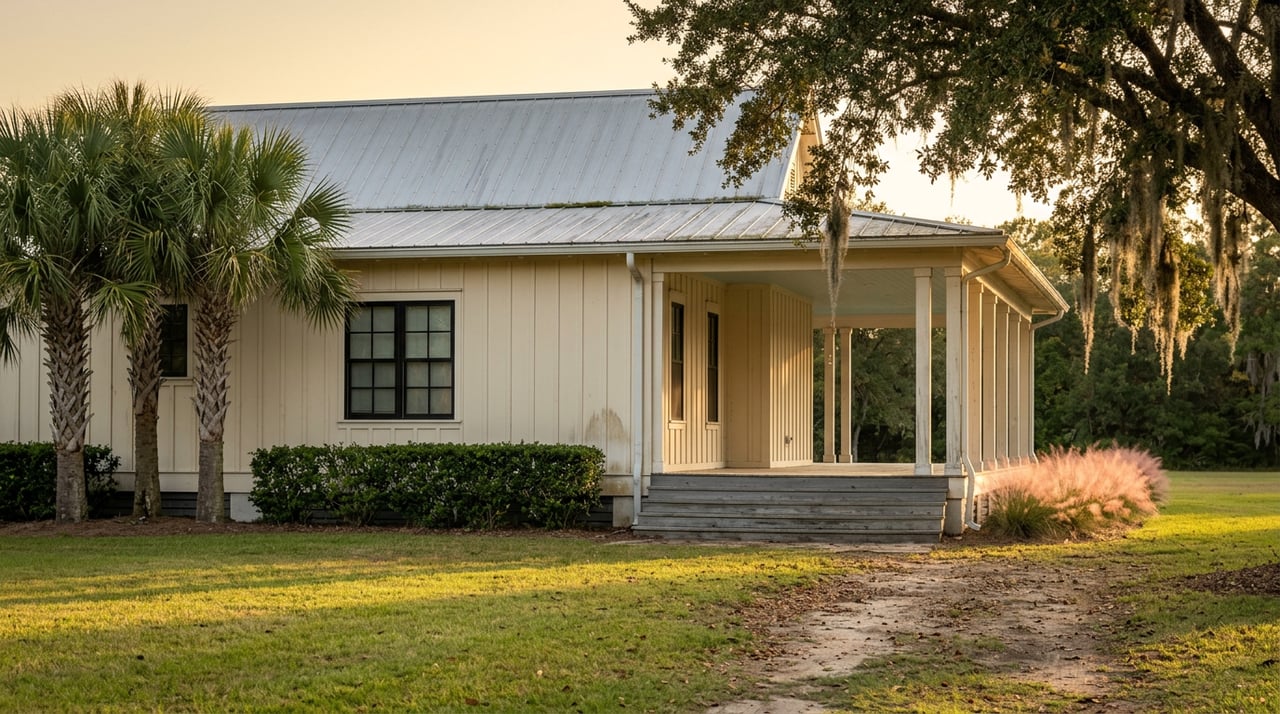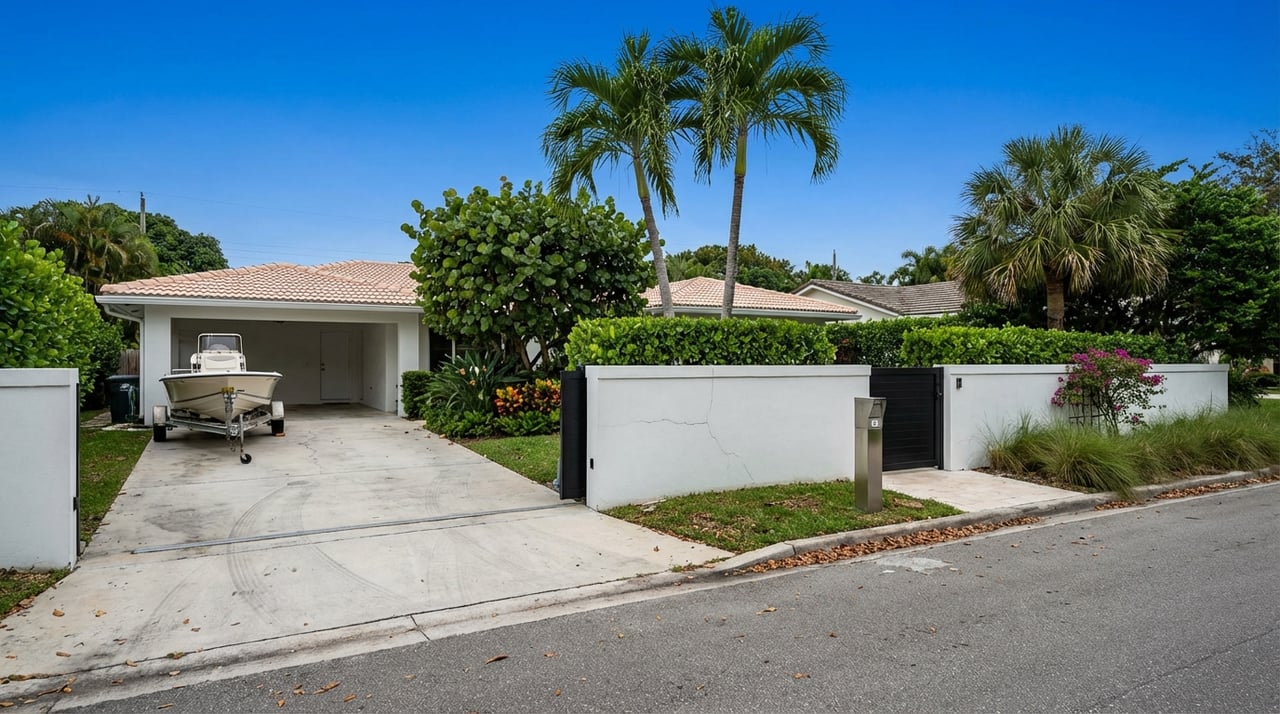
Torn between the convenience of an HOA and the freedom of a no‑HOA street in Palm Beach County? You are not alone. The choice shapes your monthly budget, daily upkeep, rental options, and even how your lender views the property. In this guide, you will learn how HOAs work under Florida law, what fees typically cover, how financing can change, and what to watch for in West Palm Beach, Boca Raton, Delray Beach, Jupiter, Palm Beach Gardens, and Tequesta. Let’s dive in.
HOA vs no‑HOA: What they mean
An HOA is a private association created by recorded covenants that require membership, collect assessments, enforce rules, and manage shared spaces. Florida’s HOA statute requires annual budgets, records, and member access to those records, which you can and should review before you buy. You can read the core requirements in Chapter 720 of Florida law on records and budgets.
In a no‑HOA neighborhood, you handle all exterior maintenance and yardwork yourself or hire vendors. You typically face fewer private restrictions on paint, fences, vehicles, or rentals, but you still must follow city and county codes. Many buyers choose no‑HOA areas for flexibility and cost control, understanding that maintenance costs will vary year to year.
What HOA fees cover
HOA fees fund the services that keep a community running. Typical line items include landscape and common‑area care, gate or security systems, pools and clubhouses, private roads, and sometimes exterior building maintenance for townhomes and condos. For a helpful overview of how these fees work and what they usually cover, see this consumer guide on HOA fees.
Reserves are another key piece. Healthy reserves help pay for major repairs like roofs, road resurfacing, or building systems. When reserves fall short, boards may levy one‑time special assessments. Florida law addresses budgets and reserves in the statute on association records and budgets.
Local fee examples in Palm Beach County
HOA costs vary widely in our market based on amenities and building type. These recent listing examples show the spread:
- High‑amenity golf or club community: A Ballenisles listing in Palm Beach Gardens showed HOA or condo fees around $1,369 per month, reflecting extensive amenities and services. See the Ballenisles example for context.
- Townhome with modest amenities: A Martinique at Abacoa townhome in Jupiter showed HOA fees around $291 per month, typical for communities with shared grounds and a pool. Review the Abacoa example.
These numbers are illustrations, not guarantees. Always confirm the current monthly dues, what they include, and whether there are pending assessments before you submit an offer.
Special assessments and closing‑stage fees
Boards can levy special assessments when reserves are not enough for planned work. Because assessments are legally enforceable, large or recent assessments can affect your cash flow and even your resale timeline. Florida’s statute requires associations to keep budgets and financials available for members under records and budgets.
When you buy in an HOA, you will request an estoppel or resale certificate. Florida law requires the association to deliver it within 10 business days and caps the fee that can be charged. The certificate discloses amounts due, current assessments, and useful details that your title company and lender will review. See the rules for estoppel certificates.
Rules, enforcement, and your rights
Understanding an HOA’s enforcement powers helps you avoid surprises. When authorized in the governing documents, an HOA can place and enforce a lien for unpaid assessments, with notice and timing rules set by state law. Review the statute on assessment liens and collection to understand how this can impact title and closings.
Associations may also adopt rules and levy fines or suspend certain use rights, subject to notice and hearing requirements. Before you buy, confirm what the community’s covenants and rules actually say. You can see the state provisions on fines and suspensions.
Financing: HOA vs condo considerations
Lenders evaluate condos and planned communities differently. For condominiums, many loans require the project to meet program eligibility that looks at reserves, delinquency rates, commercial space, and litigation. You can learn how conventional lenders evaluate condo projects in Freddie Mac’s condominium FAQs.
Your monthly HOA or condo dues also matter for qualifying. Underwriting counts these dues as part of your monthly housing obligation, which can reduce your borrowing power if fees are high. See FHA guidance in the Handbook 4000.1 for how housing costs factor into qualification.
Short‑term rentals and investors
If you plan to rent your property for short stays, you must layer several rule sets. Palm Beach County requires a Tourist Development Tax account for transient rentals and imposes a 6 percent tax on taxable rental receipts that owners must remit. Review the county’s Tourist Development Tax rules.
Cities may have their own zoning rules and registration steps, and HOAs can set minimum lease terms or limit the number of leases per year. Some amenity‑rich communities limit short stays for stability, while certain no‑HOA streets may allow short‑term rentals if you follow city and county rules. Confirm both the HOA covenants and municipal requirements before you buy.
Budgeting: HOA vs no‑HOA in real life
In an HOA, you pay a predictable monthly fee that covers shared services and, in some cases, building insurance or exterior maintenance. That predictability can help budgeting, but it raises your fixed monthly cost and can impact what you qualify to borrow.
In a no‑HOA area, your monthly payment might be lower since there is no dues line item. You control paint colors, parking for a boat or RV where allowed by local code, and rental choices within city and county law. The trade‑off is that larger expenses like roof replacement or tree removal arrive irregularly, so your maintenance budget should include reserves for those bigger bills.
How to choose: A quick decision guide
You may lean toward an HOA if you want:
- Predictable monthly costs and proactive common‑area care.
- Amenities such as a pool, gate, clubhouse, or private roads.
- A rules framework that supports uniform standards and exterior appearance.
You may lean toward a no‑HOA neighborhood if you want:
- Maximum control over your property choices within city and county code.
- Flexibility for vehicle storage or rentals where permitted locally.
- Lower fixed monthly costs and the willingness to manage maintenance directly.
Due‑diligence checklist for buyers
Use this step‑by‑step list for any property you are serious about:
- Confirm whether the home is in an HOA and get the recorded covenants and bylaws. Florida’s statute explains member access to records and budgets.
- Order the estoppel or resale certificate early. Florida requires delivery within 10 business days and caps fees. Learn more about estoppel certificates.
- Review the latest budget, year‑to‑date financials, and reserve levels. Ask about any recent or pending special assessments.
- Request the last 12 months of board minutes and any notices of claims or litigation.
- Verify rental rules in the covenants and check city and county requirements for licensing and taxes if you plan to rent short term. See the county’s Tourist Development Tax guidance.
- Ask about upcoming capital projects such as roofs, paving, or building systems and whether special assessments are planned.
- For condos, confirm whether the project is eligible for your loan type. Review how lenders evaluate projects in Freddie Mac’s condo FAQs.
- Get insurance quotes early, including flood if required. Coastal premiums can materially change carrying costs.
- Clarify estoppel and transfer fees and who pays them under the contract.
Red flags to watch
- Large or repeated special assessments without a clear reserve plan. See association records and budgets.
- High delinquency rates or pending association litigation that could impact project financing and resale.
- Estoppel delays that exceed 10 business days. The statute on estoppel certificates sets timing and fee rules.
- Ambiguous rental language in listings. Verify in the covenants and with the municipality before you rely on it.
How The Cuomo Team helps you decide
You deserve a clear, local view of the trade‑offs before you commit. With 25 years of experience across Palm Beach County and a process that emphasizes clean, low‑friction closings, our family team helps you compare real monthly costs, read the fine print, and align the neighborhood to your goals. Whether you are eyeing a gated community in Palm Beach Gardens or a flexible no‑HOA street in Jupiter, we will walk you through fees, rules, insurance, and lender considerations so you can move forward with confidence.
Ready to weigh your options with a local pro by your side? Connect with Kim Cuomo to review neighborhoods, set a smart budget, and request your free market analysis.
FAQs
What is an HOA in Florida, and how does it work?
- An HOA is a private association with mandatory membership that collects assessments, enforces rules, and manages common areas under Florida’s Chapter 720, including required records and budgets.
How much are HOA fees in Palm Beach County right now?
- Fees vary by amenities and property type, from around the low hundreds per month in some townhome communities to more than $1,000 in amenity‑rich or club settings, as illustrated by Abacoa and Ballenisles examples.
Can an HOA place a lien or foreclose in Florida?
- Yes, if authorized in the governing documents, HOAs can record and enforce liens for unpaid assessments subject to notice and timing rules in Florida’s lien statute.
What is a Florida estoppel certificate when buying in an HOA?
- It is an official statement of the amounts owed and key account items that the association must deliver within 10 business days, with fee caps, as detailed in the estoppel statute.
Do HOA dues affect how much I can borrow for a mortgage?
- Yes, lenders include HOA or condo dues in your monthly housing costs for qualification, which can lower borrowing capacity, consistent with FHA guidance in Handbook 4000.1.
What if I want to do short‑term rentals in Palm Beach County?
- You must comply with county taxes on transient rentals and any city rules, and your HOA may limit minimum lease terms; start with the county’s Tourist Development Tax rules and your HOA’s covenants before you buy.