Are you wondering why two similar homes can have very different insurance quotes in Martin County? For many buyers in our coastal market, the answer is wind mitigation. You want to protect your home, control long-term costs, and avoid surprises after closing. In this guide, you will learn how wind mitigation inspections work, which features insurers look for, and the practical steps to secure credits and plan upgrades. Let’s dive in.
Wind mitigation credits, explained
Wind mitigation credits are insurance discounts tied to specific construction features that reduce wind damage. In Martin County, where tropical storms and hurricanes are part of life, these features can make a real difference in both resilience and premium costs. Insurers review a standardized wind mitigation inspection to determine eligibility and apply credits to the wind portion of your policy. The exact discount varies by company and the combination of features present, so you should not assume a fixed percentage of savings.
How the inspection works in Martin County
A wind mitigation inspection documents the features that help your home stand up to high winds and wind-borne debris. Inspectors note the roof covering and age, roof-to-wall connections, roof deck attachment, underlayment, opening protection, and roof shape. They also collect supporting evidence like photos, permit records, and product labels.
Licensed home inspectors or specialized wind mitigation inspectors perform this evaluation. In a purchase, you should schedule the wind mitigation inspection during your due diligence period. If the seller has a recent report or permits for upgrades, ask for those early so you can estimate insurance costs with real data.
What inspectors document
- Roof covering type, age, and condition, plus how it is attached.
- Roof deck attachment and roof-to-wall connectors like clips or straps.
- Secondary water barrier under the roof covering.
- Opening protection for windows and doors, such as impact-rated glass or shutters.
- Roof shape and geometry, such as hip versus gable and any gable-end bracing.
- Evidence of permits, final inspections, and product approval labels.
Proof insurers typically require
- On-site photos of features and hardware.
- Copies of building permits and final inspection approvals.
- Product approval stickers or manufacturer documentation for impact glass and shutters.
Key features that can earn credits
The following features commonly appear on the inspection and influence both performance and potential credits. As a buyer, you are looking for clear documentation and proper installation.
Roof covering and age
Newer, well-attached roofs tend to perform better in high winds. Inspectors record the covering type, condition, and how it is fastened. If the roof is near the end of its life, plan for replacement and confirm that future work will be permitted and inspected.
Roof deck attachment and roof-to-wall connections
Strong roof-to-wall connections and proper nailing patterns keep the roof attached to the structure. This is one of the most important resilience features. Inspectors look for clips or straps and verify fasteners where accessible.
Secondary water barrier
A self-adhering membrane or taped underlayment beneath the roof covering can limit water intrusion if shingles or tiles are lost. This is a valuable line of defense during prolonged wind events.
Opening protection for windows and doors
Impact-rated windows and doors or properly installed shutters help keep the building envelope intact when debris is flying. Inspectors document labels, approval numbers, and operability. Permanent, code-approved systems are more likely to qualify for credits than temporary or improvised solutions.
Roof shape and geometry
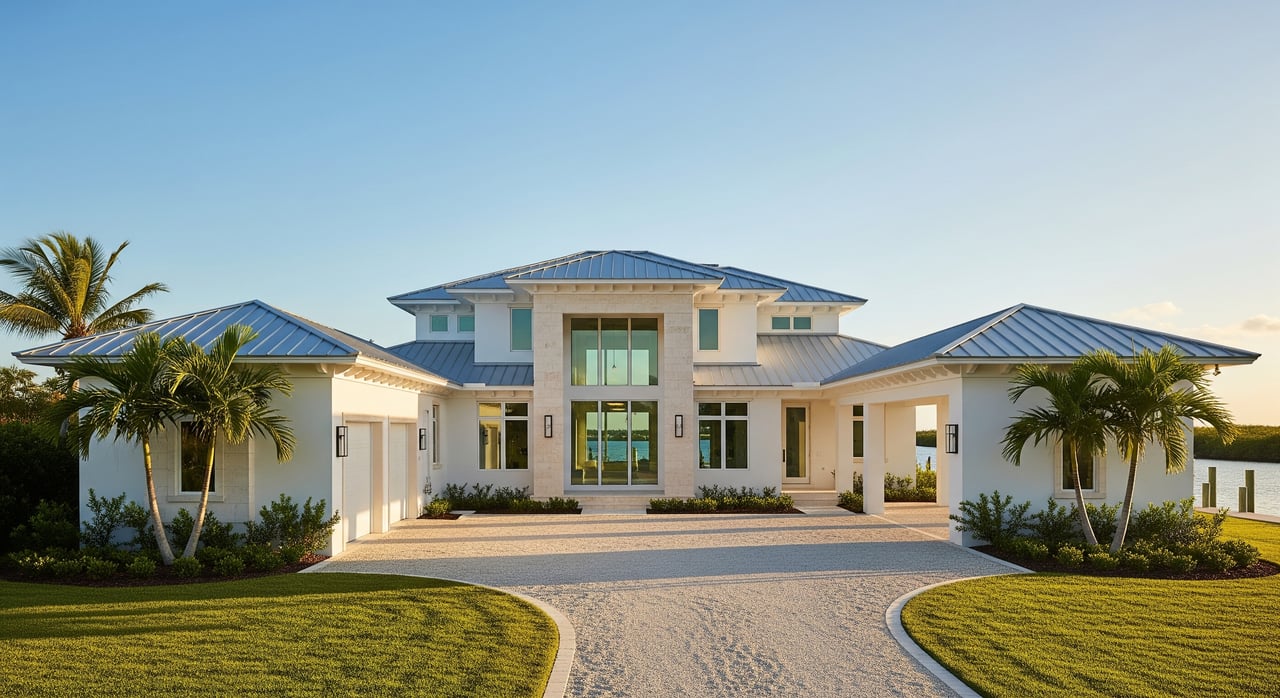
Hip roofs typically perform better in hurricanes than gable roofs. If the home has gable ends, inspectors may note bracing. Roof shape is not easily changed, but it is important for understanding risk and potential credits.
Enclosures and large openings
Attached garages or large porch openings can influence internal pressures during a storm. Reinforced openings and impact-rated doors are important details in the inspection.
Quality and documentation of retrofits
Permits and final inspections matter. Insurers often follow a no-permit, no-credit approach for major retrofits. Keep records organized so your insurer can verify features quickly.
What savings to expect
Credits are applied to the wind portion of your homeowners premium and often stack across features. There is no single statewide schedule that every insurer uses, so results vary by carrier, home value, and the exact mix of features. In practice, documented mitigation features can produce modest to substantial reductions. The most reliable way to estimate savings is to share your inspection results with an insurance agent and request side-by-side quotes from multiple carriers.
Buyer checklist during due diligence
Use this simple process to clarify insurance costs before you commit to closing.
- Ask the seller for any existing wind mitigation report, roof certifications, and permits for roofing, impact windows, shutters, or structural retrofits.
- Order a wind mitigation inspection if the seller does not provide one, ideally alongside your general home inspection.
- Request preliminary insurance estimates once you have the inspection. Ask how each carrier treats specific features and what documentation it needs.
- Verify impact glass by locating product labels or approval numbers. For shutters, confirm they are operable and properly installed.
- Review roof details in the inspection. Look for photos of roof-to-wall connectors and the nailing pattern where available.
Planning upgrades and payback
If you plan to renovate, prioritize improvements that boost both resilience and potential credits. Common high-impact projects include roof replacement that meets current Florida Building Code standards, upgrading to impact-rated windows and doors, installing approved shutters, and adding a secondary water barrier during a roof job. Get written estimates from licensed contractors and confirm all work will be permitted and inspected by Martin County.
Payback periods vary. A new roof or full impact glazing can be a major investment, while targeted structural work on roof connections may be less expensive but more invasive. Compare expected premium reductions from your insurance agent with project costs and the remaining life of existing components.
After closing: capture every credit
If you complete retrofits after you move in, follow a clean documentation process to secure credits.
- Use licensed contractors and pull permits for all work.
- Keep copies of permits, final inspection approvals, product labels, and warranty documents.
- Order a follow-up wind mitigation inspection once work is complete.
- Send the new inspection and permits to your insurer and request updated quotes that reflect the changes.
Local context for Martin County buyers
Martin County enforces the Florida Building Code, which has strengthened wind provisions over the years. Homes built or substantially improved under more recent code cycles often have better wind performance. Permit history and final inspection records are valuable to insurers and can speed credit approval.
From time to time, state and federal mitigation programs offer grants for roof strengthening, shutters, or other resilience upgrades. Availability and eligibility change, so check current information from the Florida Division of Emergency Management, Martin County emergency management, and FEMA. Regardless of funding, always work with licensed professionals who understand Florida product approvals and local permitting.
How The Cuomo Team helps you move forward
Buying in a coastal market means balancing location, lifestyle, and long-term ownership costs. Our team brings decades of local experience across Martin and Palm Beach counties to help you navigate due diligence with confidence. We will keep you organized, make sure you request the right records, and help you time inspections so you can compare insurance options before you decide. If you want a steady, informed process from offer to closing, reach out to Kim Cuomo for a quick conversation about your plans.
FAQs
What is a wind mitigation inspection in Florida?
- A specialized inspection that documents roof, opening protection, and structural features that reduce wind damage, which insurers use to determine eligibility for premium credits.
How do wind mitigation credits affect Martin County insurance costs?
- Credits apply to the wind portion of your premium and can reduce costs, but the amount varies by insurer, home value, and the features documented in your inspection.
When should a homebuyer schedule a wind mitigation inspection?
- During the inspection and due diligence period so you can request insurance quotes that reflect the home’s actual features before you finalize the purchase.
Which home features most often qualify for credits?
- Common features include newer, code-compliant roofs, strong roof-to-wall connections, a secondary water barrier, impact-rated windows and doors, approved shutters, and favorable roof geometry.
Do I need permits and product labels to receive credits?
- For major retrofits, insurers often require permit records and product approval labels or documentation, and many follow a no-permit, no-credit approach.
Can a new roof increase my chance of getting credits?
- Yes, a properly installed and permitted roof that meets current Florida Building Code standards commonly improves inspection results and may increase eligible credits.
Who can estimate my actual savings from credits?
- A licensed insurance agent who writes homeowners policies in Martin County can review your inspection and provide carrier-specific quotes that reflect potential credits.